When businesses plan major investments in equipment, infrastructure, or technology, understanding CapEx financing is essential. Unlike day-to-day operational expenses, capital expenditures represent long-term investments designed to improve productivity, expand capacity, and support business growth over time. At VFI Corporate Finance, we specialize in providing CapEx financing options for businesses of all sizes. We offer loans, leasing options, and ROI planning services to help businesses make the most of their large equipment investments.
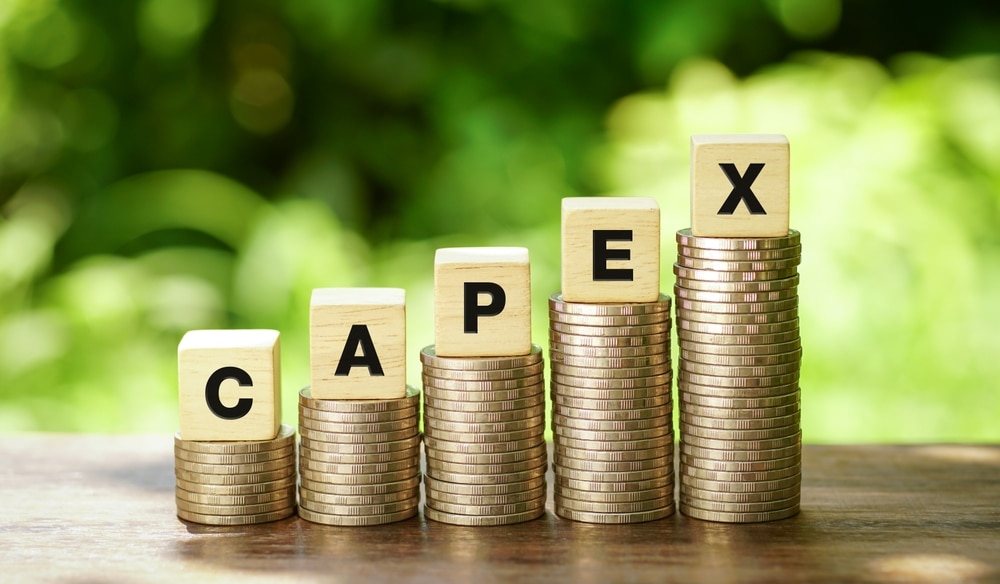
What Is CapEx Financing?
CapEx Financing refers to funding strategies used to acquire or upgrade long-term assets such as machinery, buildings, vehicles, and technology systems. These assets are expected to provide value over multiple years, unlike operational expenses (OpEx), which cover recurring costs like rent, utilities, and payroll.
While OpEx supports daily operations, CapEx focuses on strategic investments that strengthen a company’s future capabilities.
Learn more about the different approaches and structures available for CapEx financing.
Common Use Cases for CapEx Financing
CapEx financing is widely used across industries to support high-value investments, including:
- Machinery & Equipment: Manufacturing lines, construction equipment, agricultural machinery
- Buildings & Infrastructure: Facility expansion, warehouses, production plants
- Technology Upgrades: IT systems, servers, automation tools, and software platforms
- Fleet Expansion: Trucks, logistics vehicles, and transportation equipment
These investments are typically too large to fund entirely out of cash flow, making financing a critical tool for business growth. Understanding the various use cases for CapEx financing can help businesses determine which approach and structure best suits their needs.
Financing Options for CapEx Investments
Businesses can structure CapEx funding in several ways, depending on cash flow, ownership goals, and asset type:
- Term Loans: Fixed financing with predictable payments and eventual ownership
- Equipment Leasing: Use of assets over a defined period without full ownership responsibility
- Hire-Purchase Agreements: Gradual ownership transfer after structured payments are completed
Each option offers different advantages depending on whether a company prioritizes flexibility, ownership, or cash flow management. They can also be combined to create a tailored financing plan that meets the specific needs of a business.
Tax Implications and Depreciation Benefits
One of the key advantages of CapEx financing is its impact on tax planning and financial reporting.
- Depreciation: Capital assets typically depreciate over time, allowing businesses to spread cost deductions across multiple years
- Interest Deductions: Interest on financed capital expenditures may be tax-deductible
- Lease Expense Treatment: Leasing may allow businesses to treat payments as operational expenses in some cases
Proper structuring of CapEx financing can significantly improve a company’s tax efficiency and financial performance. CapEx is also a great way to acquire assets without the upfront costs, providing businesses with access to high-quality equipment and technology that they may not have otherwise been able to afford.
ROI Considerations for CapEx Investments
Before committing to large-scale investments, businesses should evaluate return on investment (ROI). CapEx decisions should be based on:
- Expected productivity improvements
- Cost savings over time
- Revenue growth potential
- Asset lifespan and maintenance costs
Financing allows businesses to spread costs while generating returns from the asset immediately, improving overall ROI. When evaluating CapEx investments, it is important to consider the potential tax benefits as well. In some cases, capital expenditures may be tax-deductible, reducing the overall tax burden for the business.
Why CapEx Financing Matters for Business Growth
Effective CapEx funding strategies allow businesses to:
- Expand operations without depleting cash reserves
- Invest in modern, efficient equipment
- Maintain liquidity for operational needs
- Align long-term assets with strategic goals
By using structured financing instead of large upfront purchases, businesses can scale more sustainably and reduce financial strain. The decision to finance CapEx should be based on careful consideration of the expected benefits and risks.
Contact Us Today
CapEx decisions are some of the most important financial choices a business can make. Whether investing in equipment, infrastructure, or technology, choosing the right financing structure ensures long-term success and financial stability. Working with experienced partners like VFI Corporate Finance helps businesses evaluate risk, optimize tax benefits, and secure the most effective funding structure for their growth.