

Food processing equipment plays a critical role in product quality, production speed, food safety, and profitability. From mixers and conveyors to packaging systems and refrigeration units, every piece of machinery contributes to the efficiency of daily operations. However, even well-maintained equipment eventually reaches a point where repairs, outdated technology, or limited capacity begin to affect performance. Knowing when to upgrade food processing equipment can help businesses avoid costly disruptions, meet changing customer demands, and prepare for long-term growth.
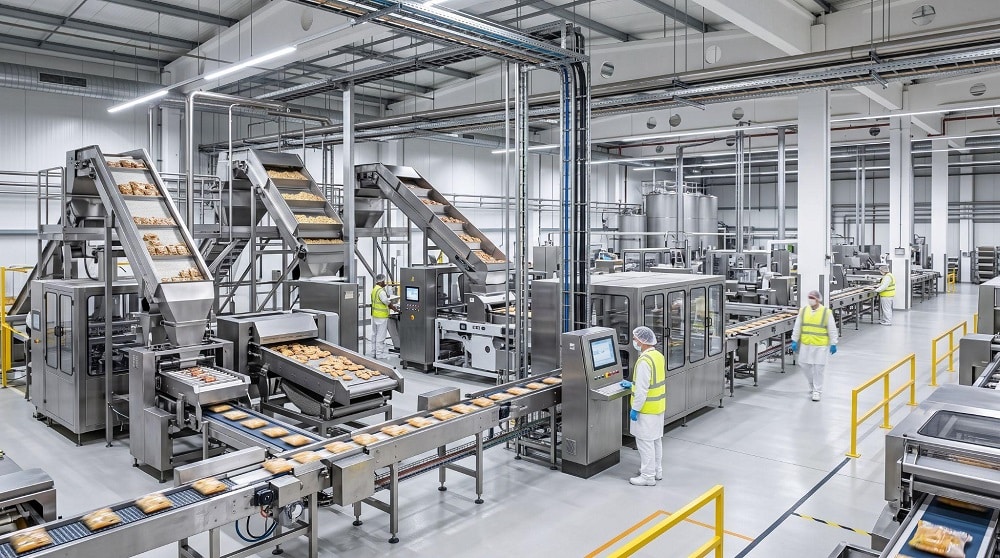
Signs Your Food Processing Equipment Needs an Upgrade
Equipment rarely becomes unsuitable overnight. In many cases, several warning signs appear before a major failure occurs. Recognizing these indicators early gives businesses more time to evaluate replacement options and plan investments without rushing into expensive decisions.
Frequent Breakdowns and Rising Maintenance Costs
Repeated equipment failures can interrupt production schedules, delay orders, and increase labor expenses. When a machine requires frequent repairs or replacement parts become difficult to source, keeping it operational may cost more than expected.
Review maintenance records to identify recurring problems and compare annual repair expenses with the cost of upgrading. If breakdowns are becoming more frequent or unpredictable, investing in newer machinery may provide greater reliability and reduce unplanned downtime.
Reduced Production Efficiency
Older equipment may operate more slowly than newer alternatives or require additional manual work. Inconsistent processing speeds, excessive product waste, and bottlenecks between production stages can limit output and reduce overall efficiency.
If the facility consistently struggles to meet production targets, an equipment upgrade may help streamline workflows and improve throughput. However, businesses should identify the source of the bottleneck before replacing machinery. In some cases, a targeted upgrade or process adjustment may solve the problem without requiring a complete system replacement.
Changing Production Demands
A growing food processing business may need to handle larger order volumes, new product lines, different package sizes, or more complex production requirements. Existing equipment may no longer provide the flexibility or capacity needed to meet these demands.
Upgrading machinery can help businesses expand production, introduce new offerings, and respond to customer expectations. Planning ahead is particularly important when equipment installation requires facility modifications, staff training, or temporary production downtime.
What Should Businesses Evaluate Before Replacing Equipment?
An equipment purchase should support specific operational goals rather than simply replace an aging machine. Before committing to an investment, businesses should evaluate several factors.
Production capacity: Determine whether the equipment can accommodate current demand and anticipated growth. Consider processing speed, changeover time, product variety, and compatibility with the rest of the production line.
Food safety and regulatory compliance: Evaluate whether existing machinery can meet applicable sanitation, temperature-control, cleaning, and documentation requirements. Equipment that is difficult to clean or maintain may create operational risks. Confirm that replacement machinery is appropriate for the facility’s processes and applicable food safety requirements.
Energy and resource efficiency: Newer equipment may reduce electricity, water, or other resource consumption, depending on the model and application. Compare manufacturer specifications with actual operating conditions to estimate potential savings.
Long-term return on investment: Look beyond the purchase price. Include installation, training, maintenance, utilities, financing costs, expected downtime, and the anticipated useful life of the equipment. Compare these expenses with potential improvements in output, reliability, and product consistency.
A clear evaluation helps businesses determine whether the investment is likely to deliver meaningful operational and financial benefits.
Should You Upgrade Existing Machinery or Buy New Equipment?
The right decision depends on the equipment’s condition, the scale of the required improvements, and the facility’s long-term plans.
When Upgrading Existing Equipment Makes Sense
Retrofitting or upgrading existing machinery may be appropriate when the main equipment structure remains reliable but certain components limit performance. Replacing controls, adding automation, improving monitoring systems, or upgrading specific processing components may extend the machine’s useful life.
This approach can reduce initial costs and limit disruption when compared with replacing an entire production system. However, businesses should confirm that upgraded components will integrate properly with existing machinery and meet applicable operational and safety requirements.
When New Equipment Is the Better Investment
Replacing machinery may make more sense when equipment experiences persistent failures, cannot meet current production requirements, or is no longer suitable for the facility’s food safety processes. New equipment may also offer improved automation, more consistent output, easier cleaning, or greater compatibility with other production systems.
Although the initial investment may be higher, new machinery can provide advantages that are difficult to achieve through incremental upgrades. Businesses should compare the total cost of ownership for both approaches before deciding.
How Can Equipment Financing Support an Upgrade?
Even when an upgrade makes operational sense, the upfront expense can place pressure on working capital. Food processing businesses still need cash for ingredients, payroll, packaging, utilities, maintenance, and distribution.
Financing can help spread the cost of eligible equipment purchases over a defined repayment period instead of requiring the business to pay the full purchase price upfront. This may allow the company to invest in important machinery while retaining more cash for day-to-day expenses and other growth initiatives.
Businesses exploring equipment finance services can review financing solutions and consider how repayment obligations would fit their operating budgets.
Before selecting a financing structure, compare repayment schedules, interest and fees, collateral requirements, and total financing costs. The projected operational benefits should justify the investment without creating an unsustainable payment burden.
How Timely Upgrades Support Business Growth
Upgrading equipment at the right time can improve more than production speed. Reliable machinery can help maintain consistent product quality, reduce waste, improve employee workflows, and support more predictable delivery schedules. Better sanitation features and appropriate process controls can also help facilities maintain food safety standards.
These improvements can strengthen customer relationships and make it easier to pursue larger orders or additional product lines. More efficient operations may also create room for growth without requiring a proportional increase in labor or other operating expenses.
The most effective upgrade strategy is proactive rather than reactive. By monitoring equipment performance, reviewing maintenance costs, and forecasting future production needs, businesses can plan investments before failures or capacity constraints become major obstacles.
Plan Your Next Equipment Upgrade With Confidence
There is rarely one universal moment when food processing equipment should be replaced. The right time depends on reliability, maintenance expenses, production requirements, compliance needs, and the expected return on investment. Comparing repairs, targeted upgrades, and new equipment purchases can help businesses identify the most practical path forward.
When an upgrade is necessary, a well-planned financing strategy can help balance equipment investment with working capital needs. VFI Corporate Finance provides food equipment financing solutions for businesses evaluating major equipment investments. With careful planning, food processing companies can modernize their operations, protect product quality, and build the production capacity needed for sustainable growth.
