Wellness and spa businesses increasingly rely on advanced treatment equipment to deliver premium services, attract new clients, and remain competitive. However, high-end technology can require a substantial upfront investment. Spa equipment financing gives businesses a way to acquire advanced equipment while spreading the cost over time instead of tying up a large portion of available cash.
Whether a spa is adding a new treatment, upgrading outdated equipment, or expanding its service menu, financing can help turn a planned equipment investment into a manageable business expense. With the right structure, businesses can preserve working capital while investing in equipment designed to generate additional revenue.
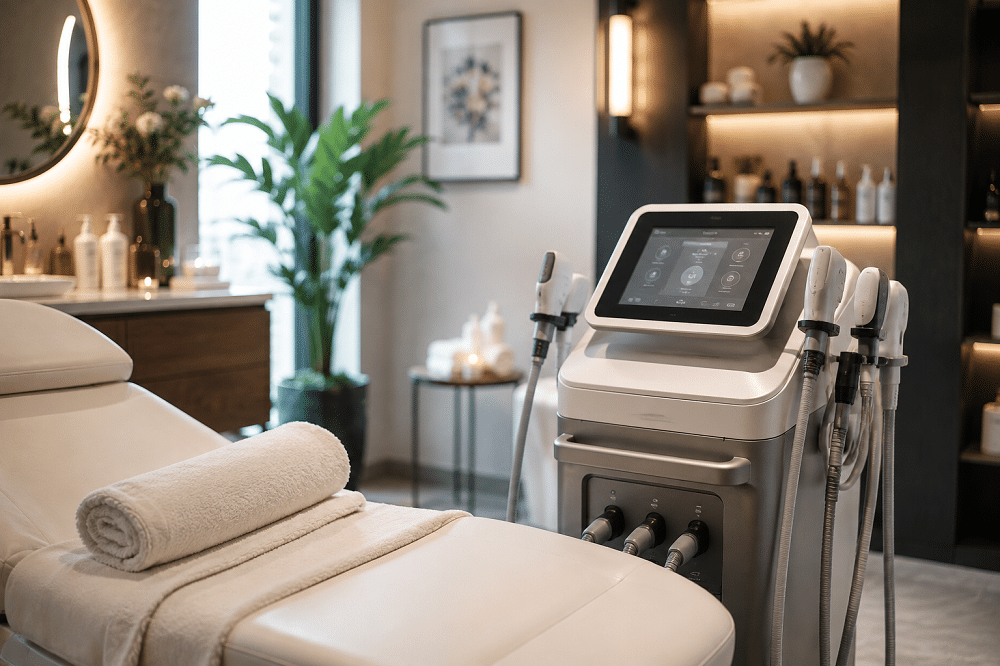
Financing Premium Treatment Equipment
Premium spa and wellness equipment can represent a significant capital expenditure. Laser and light-based treatment systems, body contouring technology, aesthetic equipment, advanced skincare systems, massage equipment, and other specialized assets can all require substantial investment.
Rather than paying the entire purchase price upfront, businesses can explore business equipment financing to spread payments over an agreed-upon term.
This approach allows a business to begin using the equipment while making scheduled payments. Instead of depleting cash reserves on a single purchase, the business can maintain funds for payroll, rent, marketing, supplies, maintenance, and other ongoing expenses.
Aligning Payments With Revenue Growth
One of the most important considerations when financing premium equipment is how the new asset is expected to contribute to revenue.
For example, a wellness business may introduce a new treatment that generates additional appointments and increases average customer spending. If the business expects revenue from that service to grow steadily, a financing structure can help align equipment payments with the anticipated increase in income.
Before selecting a financing arrangement, businesses should consider:
- Expected revenue from the new service
- Projected treatment volume
- Pricing and profit margins
- Equipment utilization
- Maintenance and operating costs
- Expected useful life of the equipment
This type of planning can help businesses avoid taking on payments that are disproportionate to the revenue the equipment is expected to generate.
Leasing Versus Financing the Equipment
Businesses generally have several ways to acquire premium equipment, and leasing and financing can serve different objectives.
Leasing may be attractive for businesses that prioritize flexibility or expect technology to change quickly. A lease can provide access to newer equipment without requiring the business to purchase the asset outright. Depending on the agreement, there may also be options to upgrade, renew, return, or purchase the equipment at the end of the term.
Equipment financing, on the other hand, may be more appropriate for businesses that expect to use an asset for many years and want a path toward ownership. Financing can allow a business to spread the purchase cost over time while building ownership of an asset that remains useful for the long term.
The right choice depends on the business’s cash flow, equipment lifecycle, ownership objectives, and growth strategy.
Preserving Working Capital for Operations
A premium equipment purchase should not leave a business without enough cash to operate effectively. Even a profitable spa needs working capital for everyday expenses and unexpected costs.
Financing can help preserve available cash for priorities such as:
- Staffing and payroll
- Facility improvements
- Marketing campaigns
- Product and supply inventory
- Rent and utilities
- Additional service expansion
- Emergency operating expenses
Maintaining adequate liquidity can be particularly important for growing wellness businesses. Instead of putting a large amount of cash into one piece of equipment, financing or leasing allows the company to distribute the expense over time.
Planning Equipment Investments Around Business Goals
Premium equipment should support a broader business strategy rather than simply adding another service to a treatment menu. Businesses should determine how the equipment fits into their growth plans before committing to a financing structure.
For example, an established spa may use financing to add a high-demand treatment that complements its existing services. A growing wellness center may finance several pieces of equipment as it expands into a larger facility. A newer business may choose leasing to gain access to advanced technology while maintaining greater flexibility as its service offerings develop.
In each case, the financing strategy should reflect the company’s expected equipment usage, revenue potential, and long-term objectives.
Making Premium Equipment Work Harder for Your Business
The best equipment investment is one that contributes to both customer experience and financial performance. Businesses should evaluate projected utilization, pricing, service demand, and operating costs before deciding how much equipment they can comfortably finance.
A well-planned financing strategy can make it possible to introduce premium services without placing unnecessary pressure on cash reserves. It can also help businesses keep their technology current and respond to changing customer expectations.
Building a Smarter Equipment Investment Strategy
Premium wellness and spa equipment can create opportunities to expand services and increase revenue, but the acquisition strategy matters just as much as the equipment itself. Leasing may provide flexibility for businesses dealing with rapidly changing technology, while financing can make sense when long-term ownership and asset value are priorities.
VFI Corporate Finance helps businesses explore financing approaches designed around their equipment needs, cash flow, and growth objectives. By choosing a structure that fits the business, wellness and spa operators can invest in premium equipment while preserving the working capital needed to keep their operations moving forward.